EV Charging Modules

As electric vehicles (EVs) continue to gain momentum across India and the world, the need for reliable and accessible public EV charging infrastructure is more important than ever. Whether you're a first-time EV owner or planning to set up a charging business, understanding how EV charging works is the first step.

EV Charging Basics

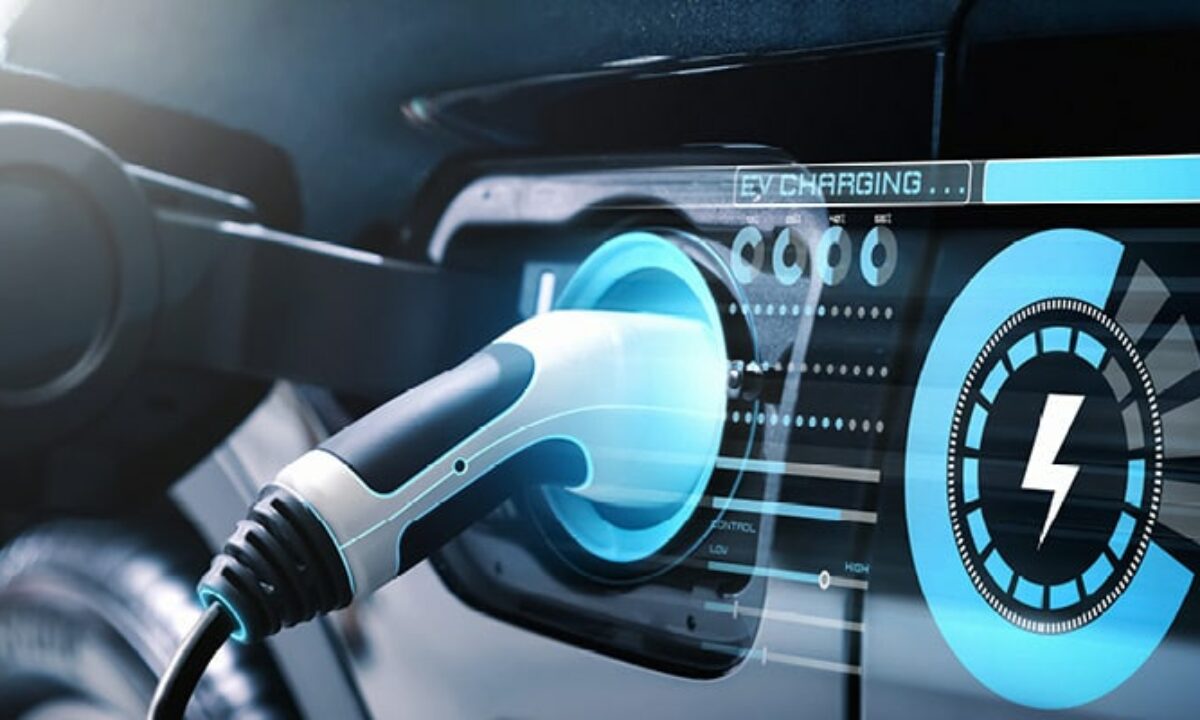
EVs run on rechargeable batteries that need to be charged using an external power source — much like a mobile phone. Charging stations (or EV Supply Equipment – EVSE) draw power from the grid and transfer it to the vehicle.
EV Charging Basics

Types of EV Chargers

AC Charging (Alternating Current)

  • How it works: EV receives AC power; conversion to DC happens inside the car via an onboard charger.
  • Power Output: 3.3 kW – 22 kW
  • Charging Time: 4 to 12 hours
  • Best For: Homes, office parking, long-duration parking

DC Charging (Direct Current)

  • How it works: DC chargers convert AC to DC at the station itself and send power directly to the vehicle battery.
  • Power Output: 15 kW – 350+ kW
  • Charging Time: 20 mins to 1 hour for 80% charge
  • Best For: Highways, commercial fleets, fast-charging stations

How DC Charging Powers EV Batteries

  • In AC charging, the car’s onboard converter limits charging speed.
  • In DC charging, conversion happens in the station — enabling much faster charging.

Common EV Connector Types

Connector Type Usage
Type 2 AC Most Indian & European EVs
CCS2 AC & DC Fast charging standard in India & EU
CHAdeMO DC Some Japanese EVs
GB/T AC & DC Mostly China; limited use in India
Type 1 AC Older US & Japanese EVs
⚠️ Note: CCS2 is now the dominant EV connector standard in India.

Public Charging Station – Components

Charging Unit

Charging Unit

AC/DC charger with 1 or more guns for multiple EVs.

Billing System

Billing System

Accepts RFID, QR, UPI, or mobile app-based payments.

Energy Meter

Energy Meter

Tracks electricity usage and regulates safe power flow.

Connectivity

Connectivity

Internet-enabled for real-time monitoring and control.

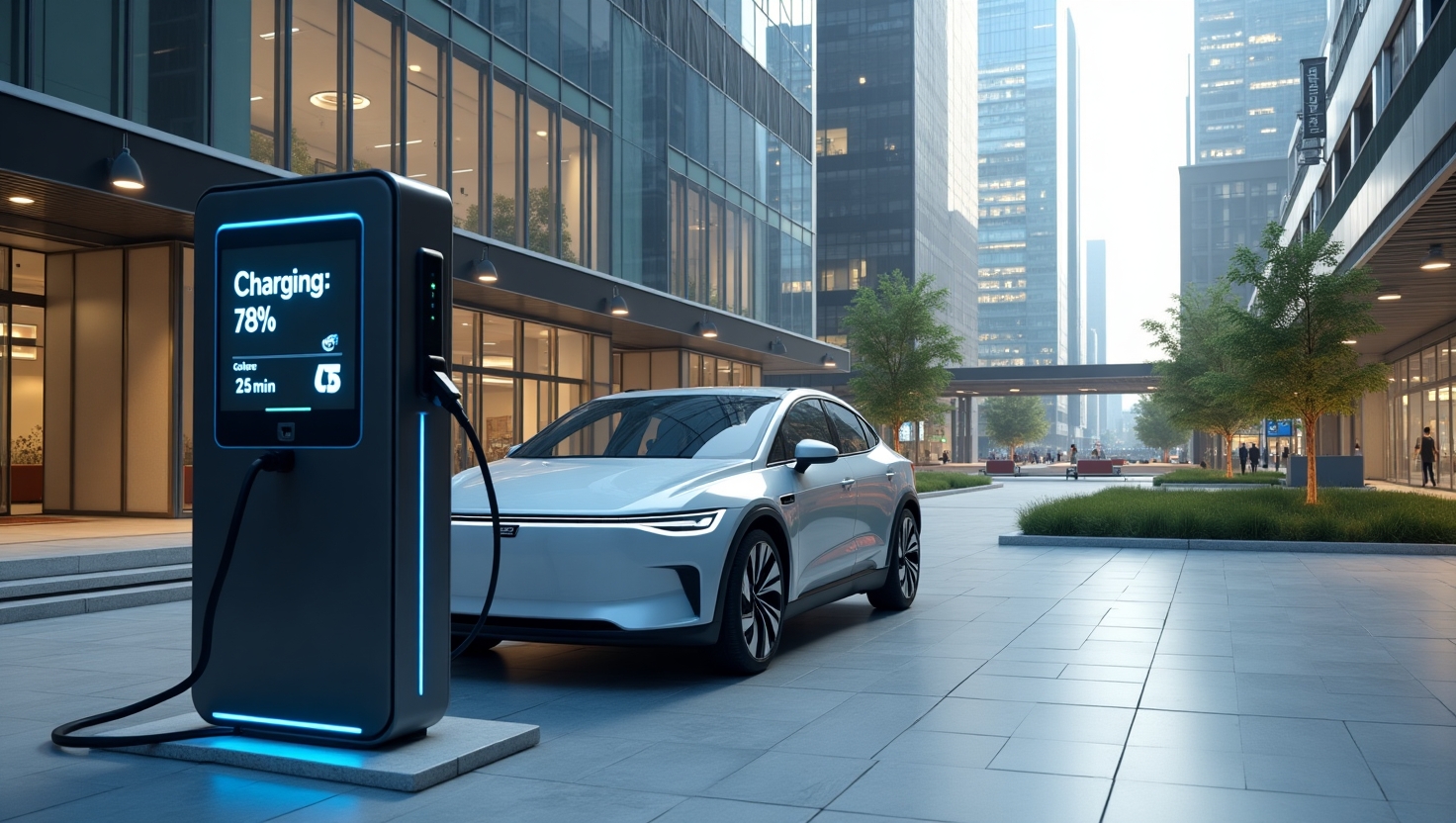
User Display

User Display

Shows charging status, instructions, and session time.

Steps to Charge at a Public Station

Step 1:

Locate a nearby charging point using an app or map

Step 2:

Plug in your vehicle with the correct connector

Step 3:

Authenticate using RFID or mobile app

Step 4:

Start charging — screen shows progress

Step 5:

Stop charging manually or automatically

Step 6:

Pay and unplug when done

Start Your EV Charging Journey with Us

Wall-mounted & Pedestal Chargers

Pedestal Charger

Dual-gun Fast Charging Stations

Dual Gun Charger

Smart Backend Software

Smart Software

Installation & Maintenance

Maintenance